Rage Against the Machine’s Christmas Rebellion: How a Protest Song Toppled the X-Factor Empire
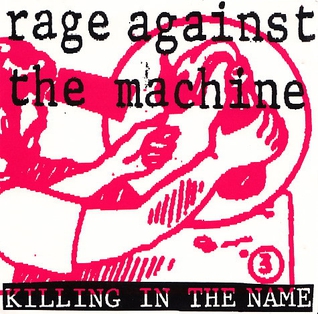
In December 2009, the music world witnessed an unprecedented event that would go down in history as a triumph of grassroots activism over corporate pop dominance. Rage Against the Machine, the iconic rap-metal band known for their incendiary lyrics and anti-establishment ethos, achieved the unthinkable: their 1992 hit “Killing in the Name” was crowned the UK Christmas Number 1, ending the four-year stranglehold of X-Factor winners on the coveted spot.
The X-Factor Monopoly
For years, the X-Factor, a popular British reality TV show, had dominated the UK Christmas charts. Winners of the show, such as Shayne Ward, Leona Lewis, and Alexandra Burke, routinely claimed the Christmas Number 1 spot with their debut singles. The trend had become so predictable that many music fans began to view the charts as a foregone conclusion, with the X-Factor machine churning out formulaic pop hits that lacked originality or cultural significance.
By 2009, the public’s frustration with this monopoly had reached a boiling point. The idea of yet another X-Factor winner claiming the top spot felt less like a celebration of music and more like a corporate takeover of the holiday season. Enter Jon Morter, a music fan and part-time DJ from Essex, who decided to take matters into his own hands.
The Facebook Campaign That Changed Everything
Morter, along with his wife Tracy, launched a grassroots campaign on Facebook titled “Rage Against the Machine for Christmas No. 1.” The goal was simple: to encourage people to buy “Killing in the Name” instead of the X-Factor winner’s single. The campaign quickly gained traction, resonating with music fans who were tired of the homogenization of the charts and eager to make a statement against the commercialization of music.
The song itself was a perfect choice for the campaign. With its raw energy, rebellious spirit, and explicit lyrics, “Killing in the Name” stood in stark contrast to the polished, sanitized pop of the X-Factor. Its chorus—“Fuck you, I won’t do what you tell me!”*—became a rallying cry for those who wanted to challenge the status quo.
A David vs. Goliath Battle
The campaign pitted Rage Against the Machine against Joe McElderry, the 2009 X-Factor winner, whose single “The Climb” was expected to cruise to the top of the charts. What followed was a tense and highly publicized battle, with both sides vying for the Christmas Number 1 spot. The campaign gained widespread media attention, with newspapers, TV shows, and radio stations covering the story extensively.
Rage Against the Machine’s frontman, Zack de la Rocha, and guitarist Tom Morello threw their support behind the campaign, urging fans to download the song and make history. Meanwhile, X-Factor judge Simon Cowell dismissed the effort, calling it “stupid” and “cynical.” But the public had other ideas.
A Historic Victory
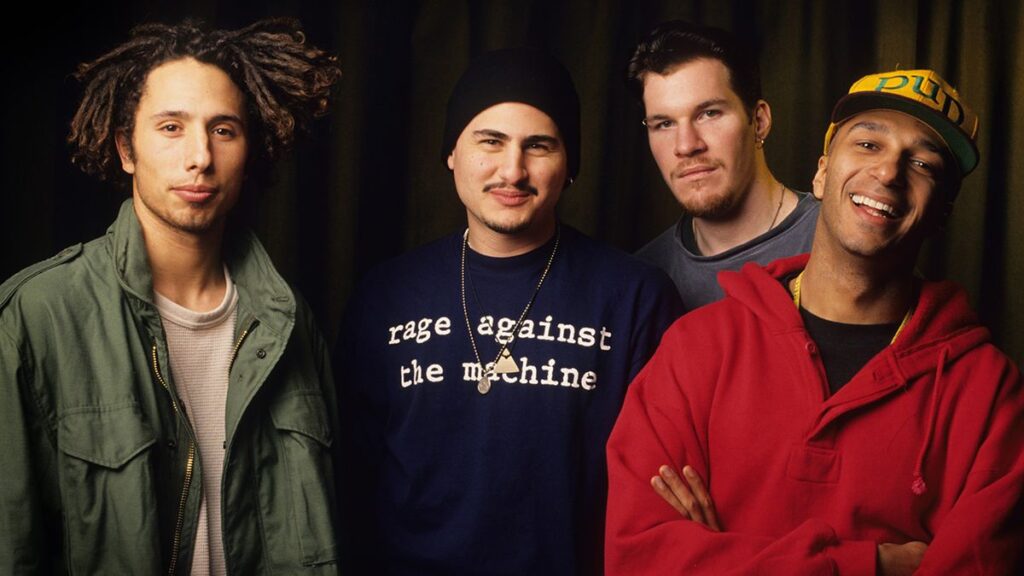
On December 20, 2009, the results were announced: “Killing in the Name” had sold over 500,000 copies, beating “The Climb” by 50,000 copies and securing the Christmas Number 1 spot. The victory was a seismic moment in music history, marking the first time in five years that the X-Factor winner had not claimed the top spot.
The win was celebrated as a victory for independent music and a blow against the corporate machinery of the music industry. For many, it was a reminder that the charts could still reflect the will of the people, rather than the influence of a powerful TV show.

The Legacy of the Campaign
Rage Against the Machine’s Christmas Number 1 victory was more than just a chart triumph; it was a cultural moment that resonated far beyond the music world. It demonstrated the power of social media to mobilize people around a shared cause and highlighted the growing dissatisfaction with the commodification of music.
The band donated the proceeds from the single to the homeless charity Shelter, further cementing the campaign’s positive impact. Meanwhile, the X-Factor never quite regained its stranglehold on the Christmas charts, and the show’s influence began to wane in the years that followed.
In the end, the story of Rage Against the Machine’s Christmas rebellion is a testament to the enduring power of music as a force for change. It showed that even in the face of overwhelming odds, a group of passionate individuals could come together to challenge the status quo and make history. And for that, it remains one of the most memorable moments in the history of the UK charts.
