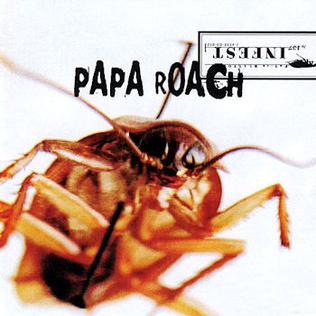
Artist: Papa Roach | Album: Infest (2000) | Song: Last Resort
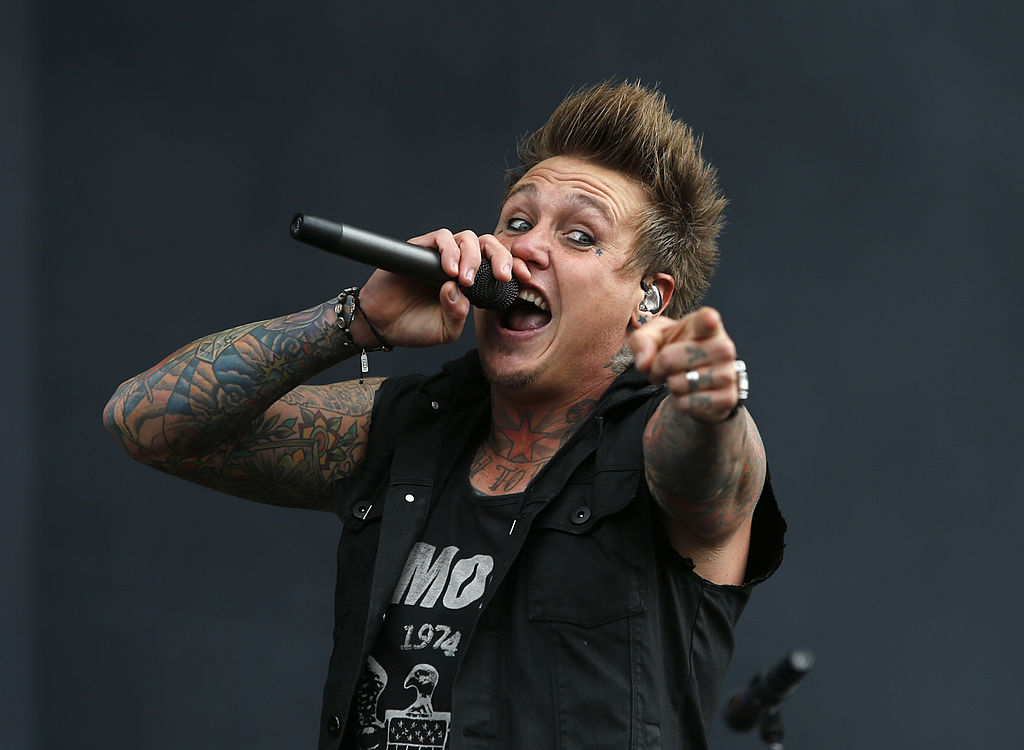
“Last Resort” by Papa Roach is one of the band’s most iconic songs, released in 2000 as the lead single from their major-label debut album, Infest. The song deals with themes of depression, hopelessness, and suicidal thoughts, reflecting the emotional struggles of lead vocalist Jacoby Shaddix.
The Story Behind the Song:
Personal Struggles – Jacoby Shaddix wrote the lyrics based on his own experiences with depression and feelings of isolation. At the time, he was dealing with personal demons, including substance abuse and a sense of despair. The song’s lyrics (“Cut my life into pieces, this is my last resort”) express a cry for help when someone feels they have no other options left.
Influence from a Friend – Shaddix has mentioned that the song was partly inspired by a close friend who was going through severe emotional pain and even attempted suicide. This deepened the song’s raw, emotional intensity.
Breakthrough Success – “Last Resort” became a massive hit, propelling Papa Roach into mainstream success. Its aggressive yet melodic nu-metal sound and relatable lyrics about mental health struggles resonated with many listeners.
Impact & Legacy – The song has been both praised and criticized for its dark subject matter, but it has also helped many fans feel less alone in their struggles. Over the years, Shaddix has spoken about how performing the song has been therapeutic and how he’s grateful it connected with so many people.
Key Lyrics & Meaning:
- “Cut my life into pieces, this is my last resort” → A metaphor for feeling broken and at the end of one’s rope.
- “Suffocation, no breathing” → Represents the suffocating feeling of depression.
- “Do you care if I die? Would it be wrong? Would it be right?” → A desperate plea for someone to notice their pain.
Despite its dark themes, the song ultimately carries an underlying message of reaching out for help rather than giving in to despair. Over time, “Last Resort” has become an anthem for those struggling with mental health, and Papa Roach continues to perform it with a message of hope and survival.
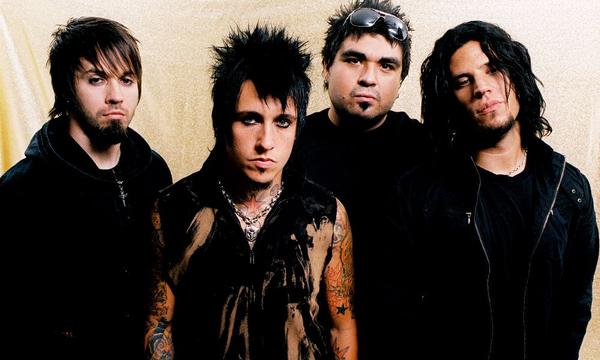
The Controversy & Initial Backlash Against “Last Resort”
When “Last Resort” was released in 2000, its dark and explicit lyrics about suicide and self-harm sparked controversy. Some radio stations and institutions initially banned or censored the song due to concerns that it might encourage self-destructive behaviour.
Why Was It Banned?
Explicit Lyrics & Subject Matter – Lines like “Cut my life into pieces” and “Would it be wrong? Would it be right if I took my life tonight?” were seen as too graphic for mainstream audiences at the time.
Fear of “Copycat” Behavior – Some critics and parents’ groups worried that the song glorified suicide, leading to restrictions on airplay in certain markets.
Nu-Metal’s Dark Reputation – The late ’90s/early 2000s saw moral panic around bands like Korn, Limp Bizkit, and Papa Roach, with some blaming their music for teen depression and violence.
Despite (or perhaps because of) the controversy, the song gained even more traction, becoming an anthem for angsty teens who related to its raw emotion.
The Song’s Evolution & Legacy Today
Over two decades later, “Last Resort” has transformed from a controversial hit into a cultural landmark in rock music. Here’s how its perception has changed:
A Mental Health Anthem
- Jacoby Shaddix has repeatedly clarified that the song was never meant to promote suicide—it was a cry for help.
- In recent years, the band has used it to raise awareness about mental health, often pausing concerts to encourage fans to seek help if they’re struggling.
- Organizations like To Write Love on Her Arms (TWLOHA) and the National Suicide Prevention Lifeline have referenced the song in campaigns.
Reimagined Versions & Enduring Popularity
- In 2021, Papa Roach released “Last Resort (Reimagined)”—a stripped-down, acoustic version that highlights the song’s emotional weight.
- The song remains a staple in rock playlists, with over 1 billion streams across platforms.
- It has been featured in movies, TV shows (Jackass, The Punisher), and even video games (Guitar Hero, Tony Hawk’s Pro Skater).
From “Banned” to Beloved
- Many radio stations that once hesitated to play it now include it in throwback rock rotations.
- Critics who once dismissed it as “too dark” now recognize it as a defining song of early 2000s rock.
- Shaddix has said that fans often thank him for the song, crediting it with saving their lives by making them feel understood.
“Last Resort” went from being shunned as dangerous to being celebrated as a lifeline for those struggling with mental health. Its journey reflects how society’s understanding of depression and music’s role in healing has evolved.
Papa Roach’s “Last Resort” didn’t just define a genre—it influenced a generation of musicians and became a lasting symbol of early 2000s rock culture. Here’s how its legacy lives on today.
Influence on Other Artists
Shaping the Sound of Nu-Metal & Post-Grunge
- Linkin Park’s Chester Bennington cited Papa Roach as peers in blending aggression with melody, and songs like “Crawling” share a similar emotional rawness.
- Breaking Benjamin, Three Days Grace, and Staind adopted the mix of angst and hooks that “Last Resort” perfected.
- Bring Me The Horizon’s Oli Sykes has mentioned early Papa Roach as an influence in their shift from metalcore to more melodic rock.
Rap & Metal Crossovers
- Artists like MGK (Machine Gun Kelly) and Falling in Reverse’s Ronnie Radke have referenced the song’s impact on their own fusion of rap and rock.
- Fever 333 and Hyro the Hero carry the torch for socially charged rap-metal, a lane Papa Roach helped pave.
Modern Rock & Emo Revival
- Bands like Sleep Token, Bad Omens, and Spiritbox have embraced the song’s balance of heaviness and vulnerability.
- Yungblud and Lil Huddy (Travis Barker-produced pop-punk) have covered or cited “Last Resort” as an inspiration for blending dark themes with mainstream appeal.
Cultural Impact Today
A Millennial & Gen-Z Anthem
- The song has outlasted its era, resonating with newer generations through TikTok trends, memes, and viral covers.
- A 2021 TikTok revival saw fans humorously screaming “CUT MY LIFE INTO PIECES” in public, proving its enduring meme status.
Mental Health Advocacy
- Jacoby Shaddix now introduces the song live by saying:
“If you’re hurting, you’re not alone. This song is about survival.”
- The band partners with mental health organisations like Hope for the Day and American Foundation for Suicide Prevention (AFSP).
In Movies, TV & Gaming
- Movies: Featured in The Punisher (2017), Jackass Forever (2022), and Scream 4 (2011).
- Gaming: Appears in Guitar Hero, Tony Hawk’s Pro Skater 5, and WWE 2K soundtracks.
- TV: Used in Lucifer, The Goldbergs, and South Park (as part of nu-metal nostalgia).
Reinterpretations & Covers
- Falling in Reverse (Ronnie Radke) performed a viral snippet.
- Postmodern Jukebox did a jazz/swing cover, showing its genre-crossing appeal.
-
Olivia Rodrigo cited early 2000s rock (including Papa Roach) as inspiration for her punk-influenced album GUTS.
