When Rage Against the Machine Took Over the BBC: A Live Performance That Shook the Airwaves
The story of Rage Against the Machine’s Christmas Number 1 victory in 2009 didn’t end with the chart triumph. In a move that surprised many, the BBC invited the band to perform their iconic hit “Killing in the Name” live on BBC Radio 1’s The Chris Moyles Show. What followed was a moment of radio history that perfectly encapsulated the band’s rebellious spirit and the chaotic energy of their music.
The Invitation
After “Killing in the Name” claimed the Christmas Number 1 spot, the BBC saw an opportunity to celebrate the unprecedented event by inviting Rage Against the Machine to perform the song live on air. The band, known for their explosive live performances and anti-establishment message, accepted the invitation, setting the stage for what would become one of the most memorable moments in BBC radio history.
The Performance
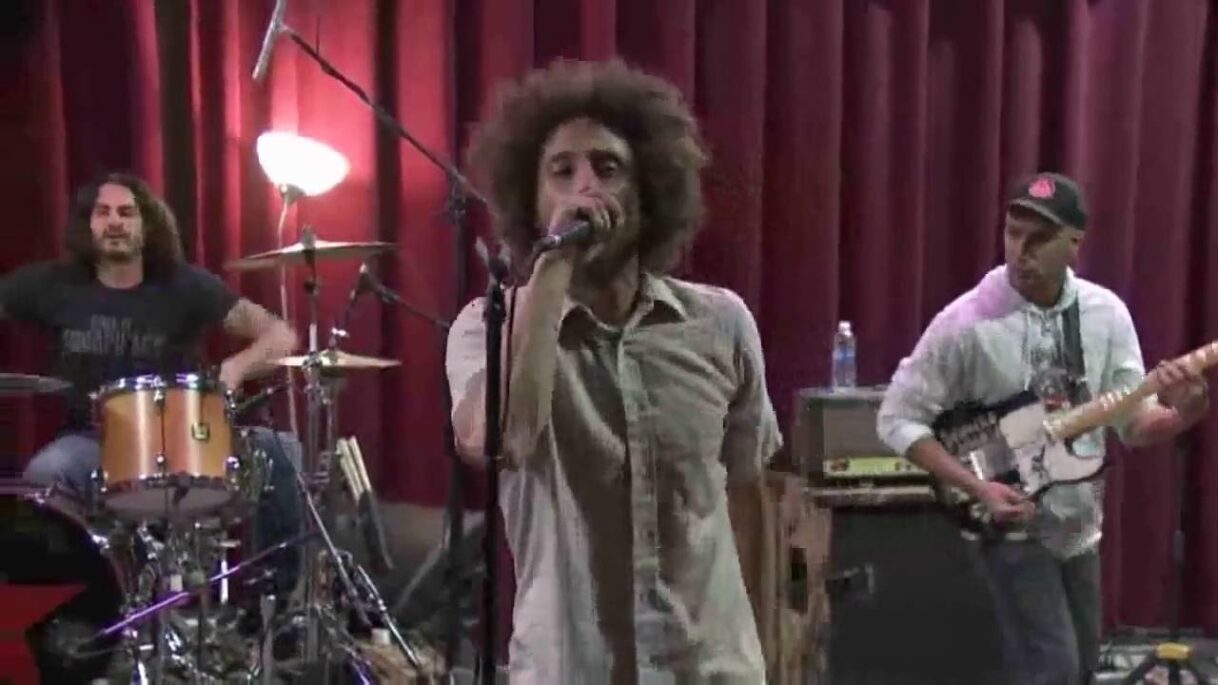
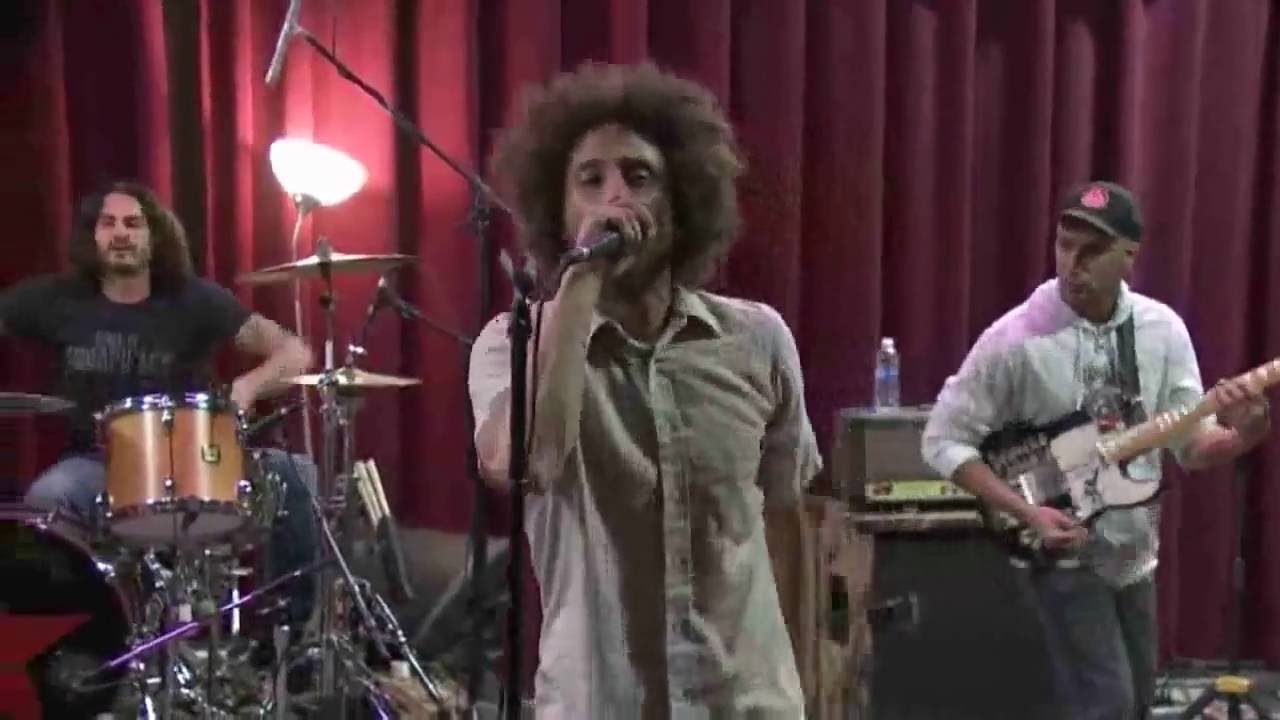
On December 17, 2009, Rage Against the Machine arrived at the BBC studios in London, ready to deliver a performance that would live up to their reputation. The band—Zack de la Rocha (vocals), Tom Morello (guitar), Tim Commerford (bass), and Brad Wilk (drums)—took to the stage in the studio, surrounded by a small but enthusiastic audience of fans and BBC staff.
As the opening riff of “Killing in the Name” blasted through the speakers, the energy in the room was electric. Zack de la Rocha’s impassioned vocals and the band’s raw, unfiltered sound were a stark contrast to the polished, sanitized pop that had dominated the charts for years. The performance was a reminder of why the song had resonated so deeply with the public during the Christmas Number 1 campaign.
The Unforgettable Moment
As the song reached its climax, with de la Rocha repeatedly shouting the now-iconic line “Fuck you, I won’t do what you tell me!”*, the BBC faced a dilemma. The song’s explicit language posed a challenge for live radio, which is subject to strict broadcasting regulations. In a moment of spontaneity, the BBC decided to cut the audio feed during the most explicit part of the song, replacing it with silence and the now famous voice-over of Shelagh Fogarty.
“Get rid of it!”
“Sorry, we needed to get rid of that because that suddenly turned into something we weren’t expecting.”
“Well, we were expecting it and we asked them not to do it and they did it anyway.”
“So buy Joe’s records.”
This decision, while understandable from a regulatory standpoint, only added to the legend of the performance. The abrupt silence during the song’s most defiant moment was a powerful metaphor for the band’s message of resistance and rebellion. It also highlighted the tension between Rage Against the Machine’s uncompromising ethos and the constraints of mainstream media.
The Aftermath
The BBC performance became an instant talking point, with fans and critics alike praising the band for staying true to their roots and delivering a performance that was as authentic as it was controversial. The decision to cut the audio feed was widely discussed, with some applauding the BBC for adhering to broadcasting standards and others criticizing the move as an act of censorship.
For Rage Against the Machine, the performance was a fitting end to their Christmas Number 1 campaign. It reinforced their status as one of the most politically charged and uncompromising bands in music history, while also showcasing their ability to connect with a mainstream audience on their own terms.
A Lasting Legacy
The BBC performance of “Killing in the Name” remains a defining moment in the band’s career and a symbol of their enduring influence. It was a reminder that music has the power to challenge, provoke, and inspire, even in the most unlikely of settings. For the fans who had rallied behind the Christmas Number 1 campaign, it was a moment of vindication—a celebration of their collective effort to make a statement against the homogenization of the music industry.
In the years since, the story of Rage Against the Machine’s BBC performance has become a part of music folklore, a testament to the band’s ability to shake up the status quo and leave an indelible mark on popular culture. And for those who were there—whether in the studio or listening at home—it was a moment they would never forget.
